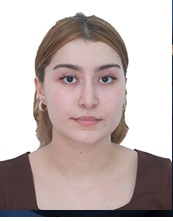
Amira Chirane
Specialized Medical Clinic in Functional Rehabilitation, Algeria
Abstract Title: Physiotherapy Management after Total Knee Arthroplasty: A Case Study of a 58-Year-Old Patient
Biography: Amira Chirane is a physiotherapy assistant working in a specialized medical clinic for functional rehabilitation in Tizi Ouzou, Algeria. She completed a three-month practical internship in functional rehabilitation and currently has 17 months of professional experience in managing postoperative patients, particularly following total knee arthroplasty. Her clinical practice focuses on physiotherapy, muscle strengthening, and improving patients’ functional independence. She is highly motivated to develop her professional skills through clinical practice and participation in scientific and academic events.
Research Interest: Total Knee Arthroplasty (TKA) is a commonly performed surgical procedure in patients with advanced knee osteoarthritis. Functional recovery after this surgery largely depends on appropriate postoperative physiotherapy management. This presentation describes the physiotherapy rehabilitation of a 58-year-old patient who underwent total knee arthroplasty and achieved functional recovery after 16 weeks (4 months) of rehabilitation. The patient was treated in a specialized medical clinic for functional rehabilitation. The initial assessment revealed postoperative pain, knee swelling, limited range of motion, and muscle weakness, particularly of the quadriceps muscle. Physiotherapy management was initiated early and followed a progressive and individualized rehabilitation program. During the initial phase, cryotherapy was used to reduce pain and inflammation. Instrumental physiotherapy techniques were applied according to the patient’s clinical condition. Passive followed by active knee mobilization was performed to gradually improve knee flexion and extension. Self-postural exercises and gentle stretching were incorporated to prevent joint stiffness and improve muscle flexibility. Muscle strengthening was introduced progressively, targeting mainly the quadriceps, hamstrings, and knee stabilizing muscles. Exercises evolved from static to dynamic training while respecting the patient’s functional capacity. In the following weeks, functional rehabilitation was added, including gait training, balance exercises, and activities of daily living. After 16 weeks of physiotherapy, the patient demonstrated significant improvement in pain reduction, joint mobility, muscle strength, and functional independence. This clinical case highlights the importance of a structured, progressive, and patient-centered physiotherapy program after total knee arthroplasty, contributing to satisfactory functional recovery. 5. Key Takeaways for the Audience (3–5 points): • Importance of physiotherapy after total knee arthroplasty • Benefits of early and progressive rehabilitation • Role of joint mobilization and muscle strengthening • Functional recovery achievable after 4 months of rehabilitation • Essential role of physiotherapy in postoperative recovery 6. Author Biography (? 100 words): Amira Chirane is a physiotherapy assistant working in a specialized medical clinic for functional rehabilitation in Tizi Ouzou, Algeria. She completed a three-month practical internship in functional rehabilitation and currently has 17 months of professional experience in managing postoperative patients, particularly following total knee arthroplasty. Her clinical practice focuses on physiotherapy, muscle strengthening, and improving patients’ functional independence. She is highly motivated to develop her professional skills through clinical practice and participation in scientific and academic events. 7. Research Interests: Rehabilitation after total knee arthroplasty Postoperative physiotherapy Functional knee rehabilitation Muscle strengthening 8. Number of Published Articles: 0